
Magazine
Bridal skincare: a wedding-ready guide to clearing skin troubles
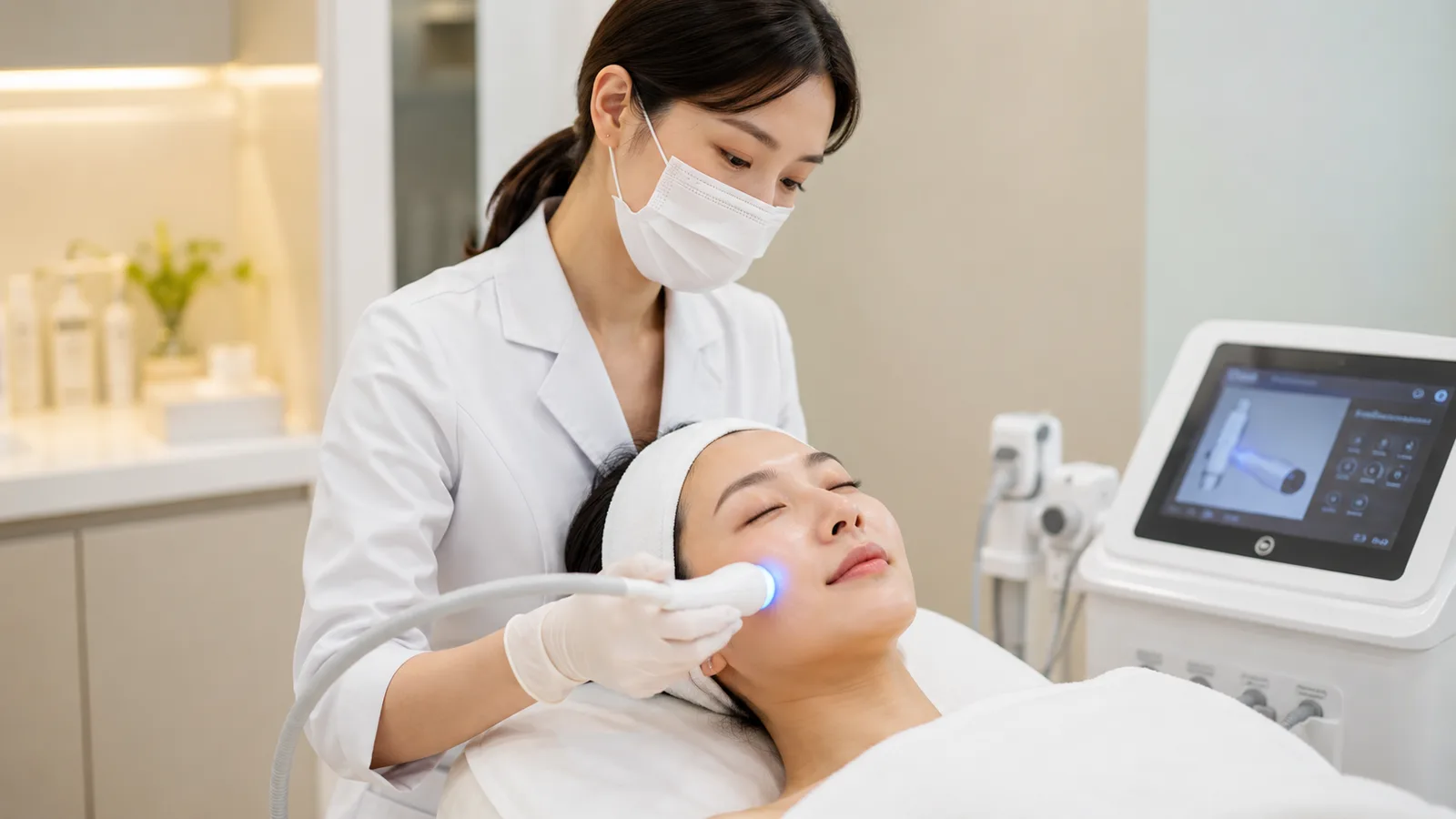
Eight weeks of sensible planning, in-clinic options chosen for safety, and a calming daily routine — how to walk down the aisle with skin you trust.
The wedding-day countdown — a skin plan by week
Beautiful skin is not built in a day. The safest bridal skincare plan starts at least eight weeks before the wedding and tapers gently as the date approaches. Treatments performed too close to the day can leave temporary redness or swelling that still shows in your photographs, so giving the skin enough time to settle matters more than any single procedure.
Eight to twelve weeks out is for assessment — your dermatologist or aesthetician can map your concerns (acne, pigmentation, texture) and recommend an honest plan. Four to six weeks out is the window for focused work on pigmentation, congestion or fine lines. From two to three weeks before the wedding, all aggressive treatments should stop, and the routine moves toward calming and deep hydration only.
The final week is about subtraction, not addition: no new products, no new actives, no surprises. The night before, a gentle cleanse and a familiar moisturiser is all your skin should see.
Five skin troubles brides see most
Wedding planning brings real stress and irregular sleep, both of which the skin notices quickly. These are the five concerns we see most often in the months before a wedding — and the safe, evidence-based ways to manage them.
1. Stress acne. Hormonal swings tend to show up along the jawline and forehead. A gentle salicylic-acid toner and a calming spot treatment usually do more good than aggressive scrubs. Never squeeze — the post-inflammatory pigmentation can last longer than the wedding itself.
2. Sun-induced pigmentation. Outdoor photoshoots and dress fittings mean more UV exposure than usual. A broad-spectrum SPF 50+ sunscreen, reapplied every two hours when outdoors, is the single most effective bridal product you own.
3. Enlarged pores and uneven texture. The most common cause of makeup that won't sit smoothly. Light peels or toning treatments started four weeks out can refine the surface and help foundation settle naturally on the day.
4. Dark circles. Sleep debt and stress make them deeper. Cool compresses, an eye cream with caffeine, and — most importantly — protected sleep in the final week make a visible difference.
5. Dryness and redness. Long hours under air-conditioning or heating thin the barrier. A ceramide moisturiser layered over a calming serum keeps the skin resilient through fittings, rehearsals and the day itself.
Treatments to choose, treatments to skip
Which procedures are appropriate depends almost entirely on how much time remains. Anything that risks lingering swelling or redness on the day is not worth the gamble, regardless of how good the result might be.
Safe options up to four weeks before: hydrafacial, LED light therapy, mild chemical peels, brightening facials and gentle laser toning. These have short downtime, low irritation risk and compound nicely if started early.
Treatments that need more lead time: stronger chemical peels and high-energy lasers should be completed six weeks out at the latest. Botulinum toxin and dermal fillers should be finished at least three weeks before the wedding so that swelling resolves and the result settles into a natural position.
A firm no in the final weeks: any treatment you have never tried before. The wedding is not the time to discover an allergy or an unexpected reaction. Reserve first-time treatments for the assessment phase, eight weeks out.
A calming daily routine for the month before
The best bridal skin is built quietly, in a daily routine. In the final month, the goal is consistency with products your skin already knows, not novelty.
Morning: a gentle cleanser, a hydrating toner, a vitamin-C serum, a moisturiser, then a broad-spectrum SPF 50+ sunscreen. Vitamin C supports an even tone, and daily sunscreen prevents new pigmentation from appearing in your photos.
Evening: double cleanse (oil-based remover, then a gentle wash), a calming toner, a nourishing serum, then moisturiser. Retinol should be paused two weeks before the wedding to let any flaking or sensitivity resolve well in advance.
Twice a week, add a calming sheet mask and a very gentle exfoliation. Avoid harsh scrubs and new actives in the final stretch. If you want to try something new, introduce it eight weeks out — never in the last fortnight.
Consultation checklist and a medical note
Walking into a consultation with the right information shortens the path to a plan that actually fits you. Bring the exact wedding date, a list of any treatments you have had in the last year, the products in your current routine, any allergies or sensitivities, your typical sun exposure, pregnancy plans, and any medications. Accurate information protects the result.
Always ask for a patch test before a new treatment, how long any swelling or redness is expected to last, and when makeup can safely be applied again. For one of the most photographed days of your life, the calmest, most conservative plan is almost always the right one.
Medical note: this article is for general information only. Skin behaviour, healing and reactions vary by individual, and any treatment plan should be confirmed with a licensed medical professional after an in-person assessment.
Magazine

15 August 2026 · 6 min read
Before you change your nose, look at your chin — how profile balance actually works
A nose that looks large in photographs is often a chin that sits too far back. How to check your own profile, what filler, an implant and a bone procedure each solve, and the bite question that decides which one is honest for you.

13 August 2026 · 6 min read
What an IV drip can and cannot do for your skin — and the questions that keep it safe
An infusion is a medical procedure, not a menu item. What actually reaches your bloodstream, why 'whitening' is the wrong expectation, the screening question that matters especially in Malaysia, and how to tell a safe drip from a risky one.